It’s been a big week for iOS. On Monday, Apple rolled out iOS 26.2.1, the latest point update for the current version. Then it surprised everyone by also releasing new versions of iOS 18, iOS 16, iOS 15, and even (for the first time since 2023) iOS 12. These updates to older versions of iOS appear to have been designed primarily to allow iMessage and FaceTime to keep working on older iPhones beyond January 2027, when the certificate would otherwise have expired.
But no good deed goes unpunished, and it now seems these unexpected updates may have caused more problems than they solved.
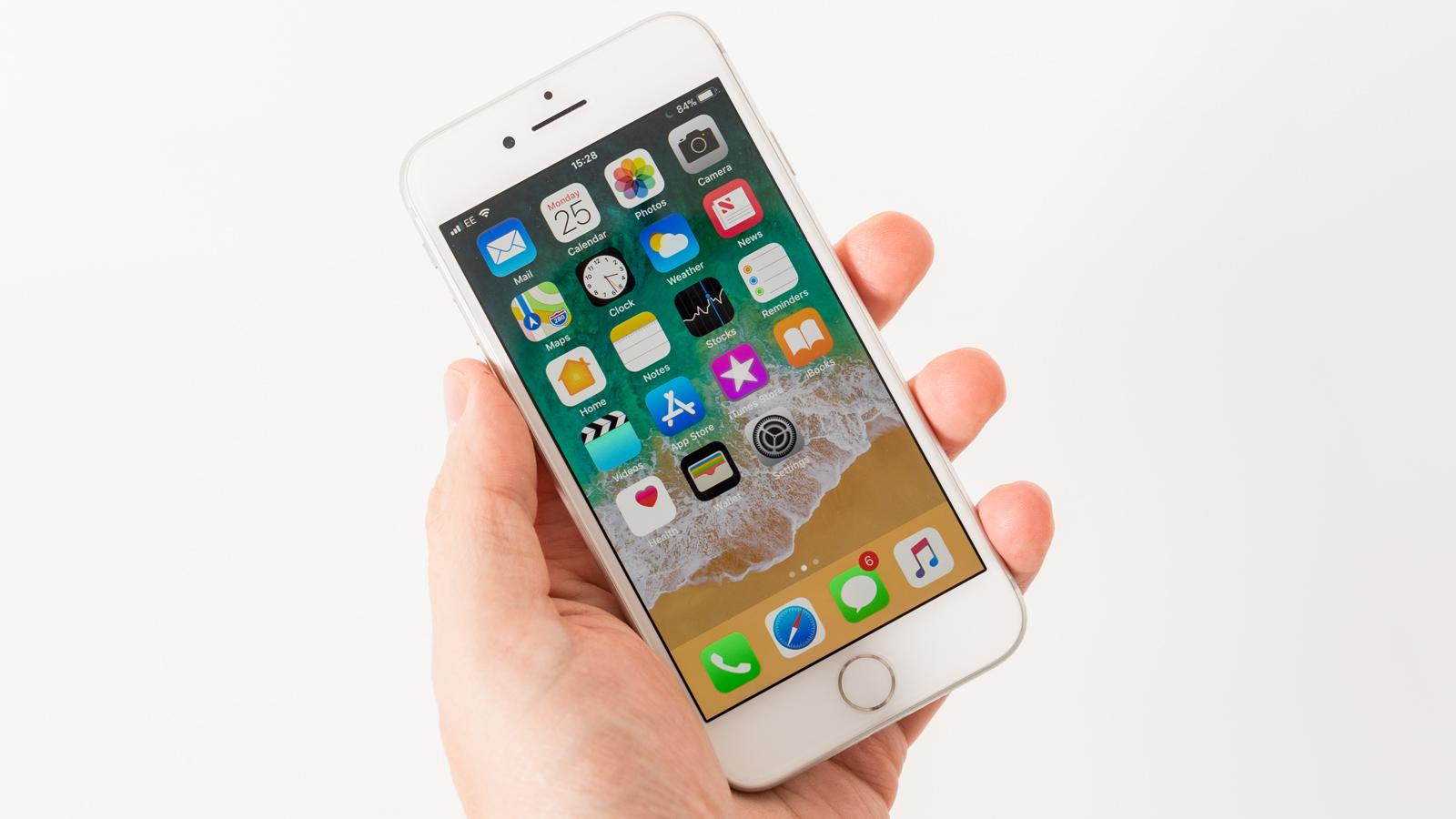
In a support document published today (and first spotted by 9to5Mac), the Australian telecoms firm Telstra reports an issue “preventing some older Apple devices from connecting to our network, including calls to 000” and cites iOS 16.7.13 on the iPhone 8, 8 Plus, and X as the likely cause. That’s the new version of iOS 16 released yesterday, and the company advises owners of those devices not to update until the issue is resolved.
(The number 000, incidentally, is the Australian equivalent of 911 in the U.S. and 999 in the U.K. Losing access to it is a serious matter.)
Telstra later updated the page with the news that Apple had “paused” not just iOS 16.7.13, but also iOS 18.7.4, 15.8.6, and 12.5.8–in other words, all of the non-26 iPhone updates released this week–to “investigate” the cause. It isn’t clear if the issue has affected users of any other networks, nor indeed if it’s been reported outside Australia, but Apple isn’t taking any chances.
As 9to5Mac observes, Apple’s release notes indicate that all four updates contain “no published CVE entries,” which is to say, they don’t patch any security issues. So pulling the updates while the company tries to solve the network issue shouldn’t be a problem… provided the investigation doesn’t last until next January.