If you are thinking of buying an older generation or used/refurbished iPhone, or wondering whether it’s worth upgrading your current iPhone to a new one, one important factor to consider is how long Apple will continue to offer support for that handset. The good news is that Apple supports iPhones for a long time. In general, you can get seven to eight years of security-related software updates, while battery and other repairs are often available on five to seven-year-old handsets, according to Apple’s own Vintage and Obsolete categorizations. More on that below.
Read on to find out which iPhones are supported with the latest operating systems, and which are supported for servicing and repairs.
Macworld’s advice: The iPhone XS and XR and any older iPhone should be avoided as they can’t run the 2025 iOS update: iOS 26.
Important update: In January 2026 Apple issued a critical security patch for iOS 26. A security patch was also issued for iPhones running iOS 18 that are unable to update to iOS 26. However, those running iOS 18 on iOS 26-compatible phones are being forced to upgrade to iOS 26, or risk the security threats.
How long does Apple support iPhones with iOS updates?
- Seven years: Apple supports some iPhones that can’t run the latest version of iOS with security updates. Currently there is such support for iPhones from 2018.
Apple generally provides major iOS updates for iPhones for approximately five to six years, though security-related support often extends even longer. While Apple does not officially guarantee a specific duration, its historical track record shows a consistent commitment to long-term device viability, with up to eight years of cover in the past.
It is important to distinguish between major iOS version updates (which bring new features and interface changes) and security-only updates, though.
Major iOS Updates: You can expect an iPhone to be compatible with the latest version iOS typically for around 5–7 years. The iPhone 11, released in late 2019, can run iOS 26, although not every feature will run on older iPhones.
Security Updates: That doesn’t mean older iPhones are not supported by Apple. The company continues to provide critical security patches for older versions of iOS for several years after they stop receiving new features. This can extend the total “safe” lifespan of a device to nearly a decade. The iPhone XR and XS, launched in 2018, did not receive the 2025 update, iOS 26, but Apple has issued security updates for those phones via iOS 18.
Device specific updates: A key change is that with release of the iOS 18 security update in January 2026 was specific to those iPhones unable to run iOS 26. This means that those running iOS 18 on a phone compatible with iOS 26 needed to update to iOS 26 in order to get the security update for their iPhone. Previously the security update to an older version of iOS ran on any device running that version of the software.
It is unlikely that Apple will issue an iOS 17 specific update because all iOS 17-compatible iPhones can run iOS 18, so Apple would encourage anyone running iOS 17 to update to iOS 18 to get the security update. The last update to iOS 17 was 17.7.2 in November 2024.
As of late 2025, Apple was still issuing security updates for iOS 15 and iOS 16 to protect even older hardware like the iPhone 6s and iPhone X, but this is unlikely to continue. The last update to both was iOS 15.8.5 and iOS 16.7.12, both in September 15, 2025.
You should be very cautious if using an iPhone that won’t receive these security fixes for what could be dangerous vulnerabilities. Since we can only guarantee that iOS 18 support will continue we would recommend that you should replace your iPhone if it can’t run iOS 18, which includes the iPhones X, 8 and 8 Plus and iPhones 7, 6S, 6S Plus and the 1st gen SE.
Which iPhones can run the latest iOS?
Britta O’Boyle
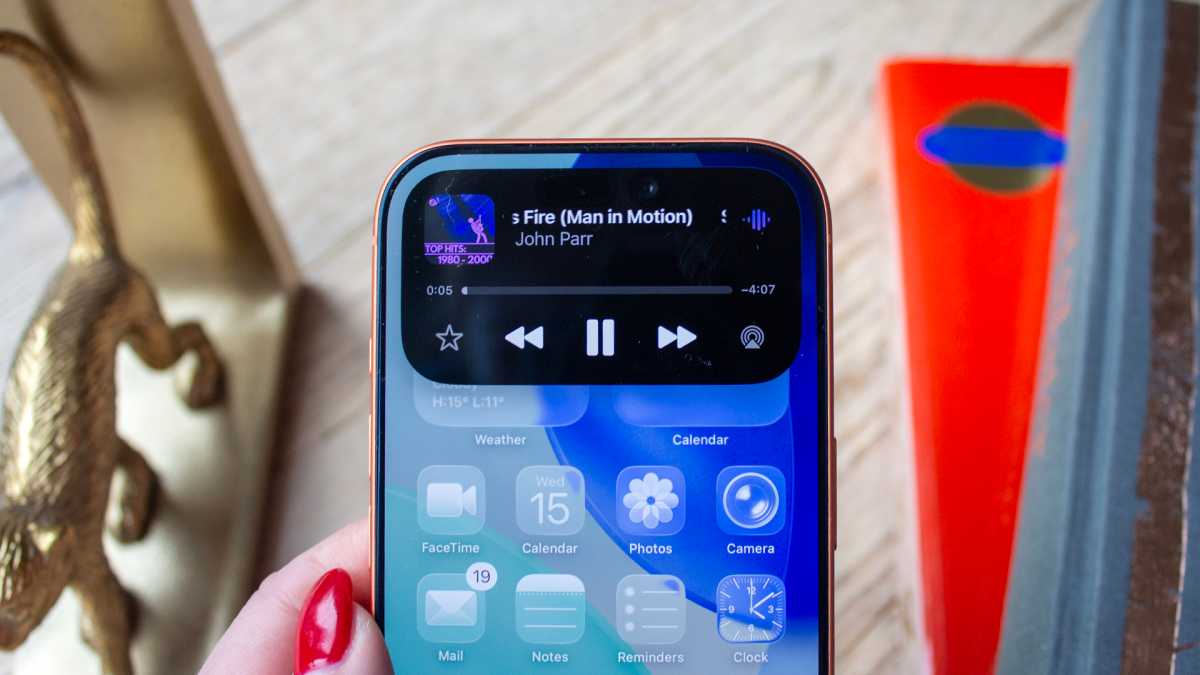
- The 2019 iPhone 11 is the oldest iPhone able to run iOS 26.
iOS 26 is available as a free software update for all iPhone models released from 2019 onwards. This includes the following devices:
- iPhone 17 Series, including iPhone Air (2025)
- iPhone 16 Series, including iPhone 16e (2024)
- iPhone 15 Series (2023)
- iPhone 14 Series (2022)
- iPhone 13 Series (2021)
- iPhone 12 Series (2020)
- iPhone 11 Series (2019)
- iPhone SE iPhone SE (2nd gen, 2020)
- iPhone SE (3rd gen, 2022)
Which iPhones run each version of iOS?
The chart below shows each version of iOS and the iPhones it ran on. As you can see, in recent years support for new iOS versions has stretched back for around six years, while, if you include the versions that Apple supports with security updates, the cover goes back a further year.
iOS support chart by model
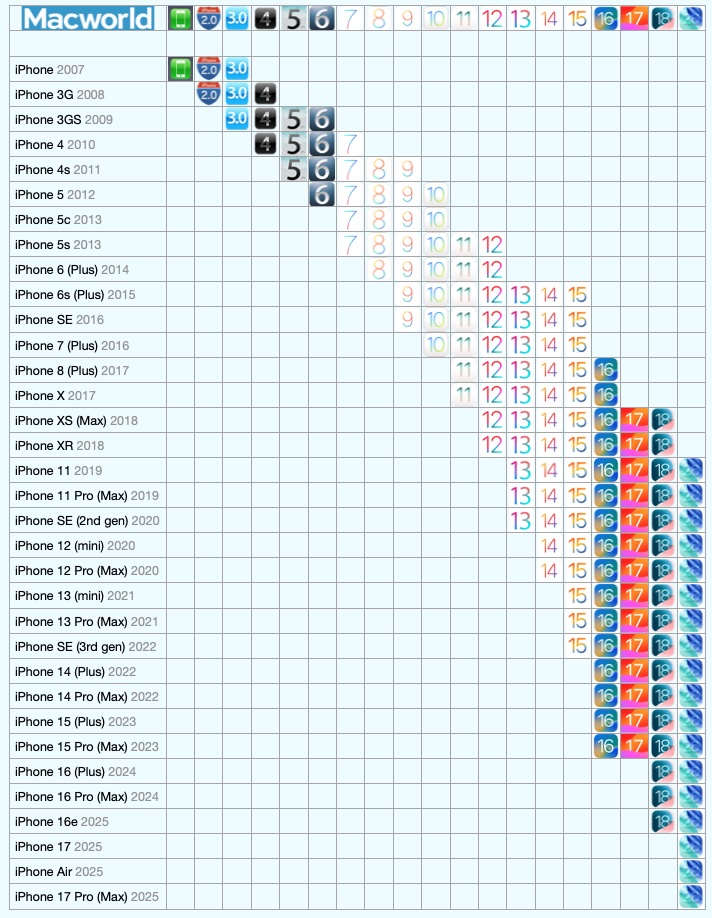
Find your iPhone here and check which versions of iOS it can run.
Foundry
What is the oldest iPhone still supported by Apple?
- 2018 iPhone XS and iPhone XR – supported by iOS 18 security update
As of early 2026, Apple is still supporting the 2018 iPhone XS and iPhone XR with security updates. While the 2019 iPhone 11 runs the latest version of iOS.
However, the support on these older iPhones is unlikely to continue for much longer: the iPhone XS, XS Max, iPhone 11 Pro and iPhone 11 Pro Max are already on Apple’s vintage list, which, as explained in more detail below, means that repairs will be limited by whether Apple has the required parts.
However, as recent as September 2025 the 2015 iPhone 6S was the oldest iPhone supported with security updates, with Apple updating iOS 15 with a security update that month.
Which iPhones to avoid
IDG
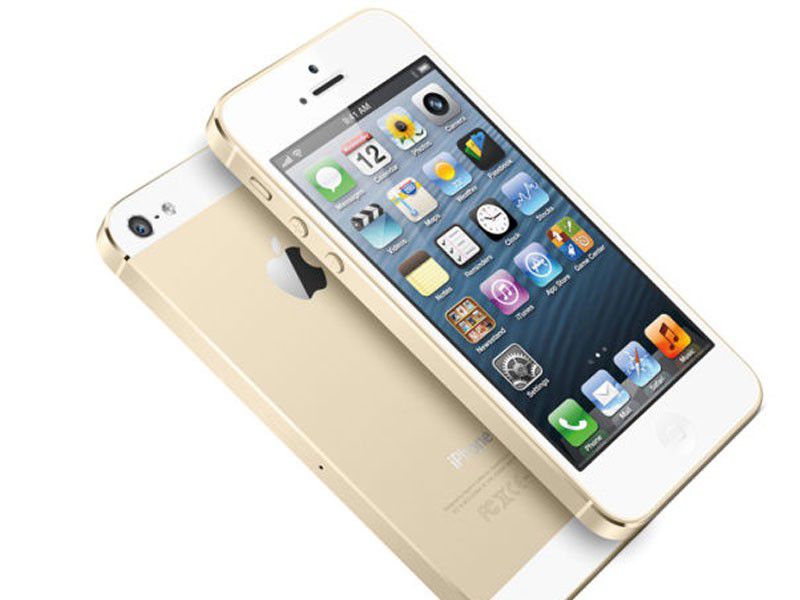
We don’t recommend the following iPhone models because they no longer receive regular updates, though some models may occasionally get a critical security update:
- iPhone 11/11 Pro (2019)
- iPhone XR (2018)
- iPhone XS/XS Max (2018)
- iPhone X (2017)
- iPhone 8/8 Plus (2017)
- iPhone 7/7 Plus (2016)
- iPhone SE (2016)
- iPhone 6s/6s Plus (2014)
- iPhone 6/6 Plus (2014)
- iPhone 5s (2013)
- iPhone 5c (2013)
- iPhone 5 (2012)
- iPhone 4s (2011)
- iPhone 4 (2010)
- iPhone 3GS (2009)
- iPhone 3G (2008)
- iPhone (2007)
For more information, see our list of every version of iOS.
When will Apple stop supporting each iPhone?
Truth is we don’t know for sure, but on the basis that Apple supports phones for five to seven years after they are removed from sale:
- iPhone XS (2018-2019) – Approx 2026
- iPhone XR (2018-2021) – Approx 2026-2028
- iPhone 11 (2019-2022) – Approx 2027-2029
- iPhone SE2 (2020-2022) – Approx 2027-2029
- iPhone 12 (2020-2023) – Approx 2028-2030
- iPhone 13 (2021) – Approx 2032
- iPhone SE3 (2022) – Approx 2033
- iPhone 14 (2022) – Approx 2034
- iPhone 15 (2023) – Approx 2035
- iPhone 16 (2024) – Approx 2036
- iPhone 17 (2025) – Approx 2037
Apple Intelligence: With the arrival of Apple Intelligence AI features and their hardware requirements, the older iPhones are likely to become obsolete faster.
When does Apple stop repairing old iPhones?
Foundry
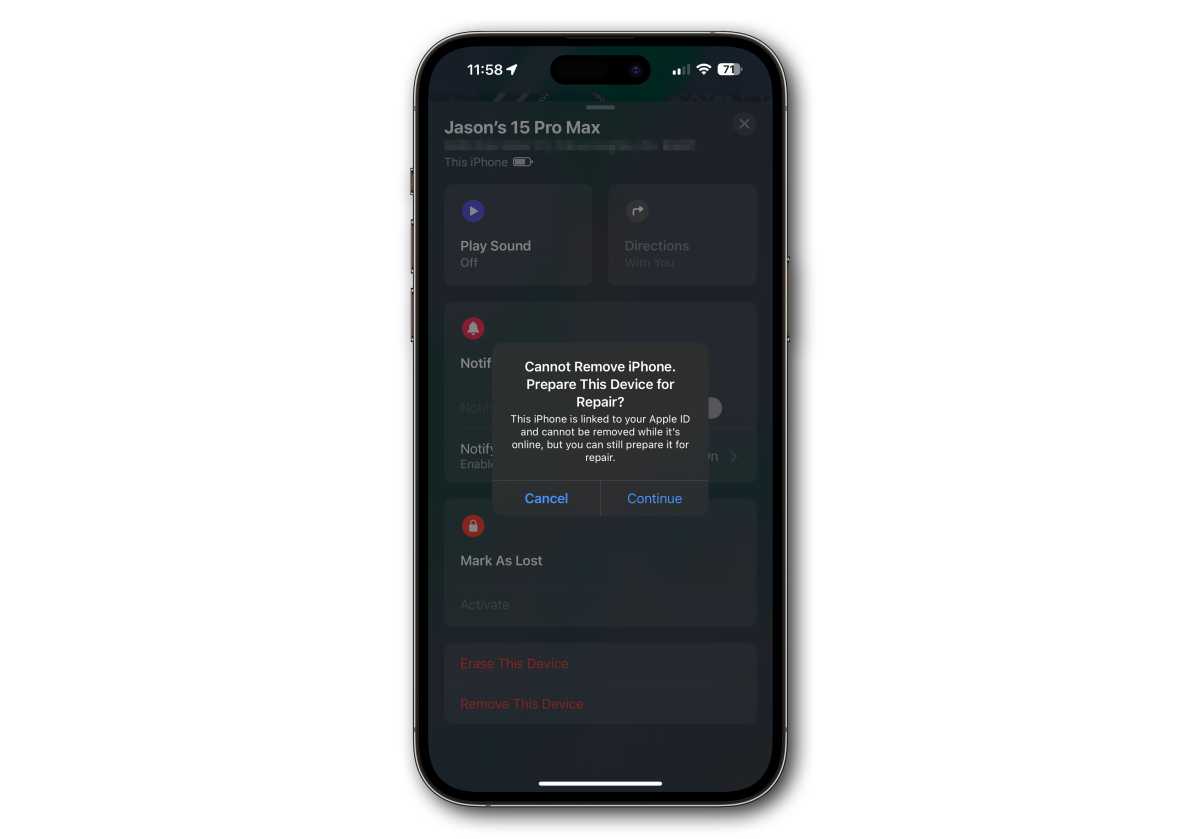
When it comes to repairs, Apple supports iPhones (and all devices it makes) for seven years from the last time it sold that particular model. So as long as your iPhone was still being sold by Apple up to seven years ago, the company or a third-party service provider will still service it.
Apple distinguishes between iPhones (and other devices) that are obsolete and vintage.
- Vintage Apple Products: These are products that Apple stopped selling between five and seven years ago. They are considered old, but there may be limited access to repairs depending on whether Apple has the parts available.
- Obsolete Apple Products: These are products that Apple stopped selling between more than seven years ago. They are considered end-of-life and will no longer be repaired by Apple or an Apple Authorized Service Provider.
Obsolete iPhones
The following iPhones are now considered Obsolete, which means sales were discontinued more than seven years ago and Apple has now discontinued all hardware servicing.
- iPhone
- iPhone 3G
- iPhone 3GS
- iPhone 4 (not all models are obsolete)
- iPhone 4s
- iPhone 5c (discontinued September 2013, obsolete in 2021)
- iPhone 5S (discontinued in 2016, vintage in 2021, obsolete in 2024)
- iPhone 6 (discontinued in 2016, vintage in 2021, obsolete in 2025)
- iPhone 6 Plus (discontinued in 2016, vintage in 2021, obsolete in 2024)
- iPhone 6s (32GB) (discontinued in 2018, obsolete in 2024)
- iPhone 6s Plus (32GB) (discontinued in 2018, obsolete in 2024)
- iPhone SE, 2016 (discontinued in 2018, vintage in 2023, obsolete 2025)
Vintage iPhones
And the iPhones below are listed as Vintage, which means they have not been sold for more than five years (but less than seven years). Apple will still service these products as long as it has the required parts. So you could say that the oldest iPhone still supported by Apple is the 8GB iPhone 4, but we don’t expect that Apple will have the required parts.
- iPhone 4 8GB (discontinued in 2013, but sold in India until February 2014, likely to be obsolete very soon)
- iPhone 5 (discontinued September 2013, likely to become obsolete soon)
- iPhone 6s (16GB, 64GB, 128GB) (discontinued in 2016, vintage in 2022)
- iPhone 6s Plus (discontinued in 2018, vintage in 2022)
- iPhone 7 (discontinued in 2019, vintage in May 2025)
- iPhone 7 Plus (discontinued in 2019, vintage in May 2025)
- iPhone 8 (discontinued in 2020, vintage in 2024)
- iPhone 8 Plus (discontinued in 2020, vintage in 2024)
- iPhone X (discontinued in 2018, vintage in 2024)
- iPhone XS Max (discontinued in 2018, vintage in 2024)
- iPhone 11 Pro & Pro Max (discontinued in 2020, vintage in September 2025)
All iPhones that followed those handsets should be fully supported by Apple.
You may also be interested to learn how long Apple supports Macs and how long Apple supports iPads. We also have guides for getting a broken iPhone fixed and how much Apple product repairs cost.
Is your iPhone slipping into obscurity? Find a great deal on a new iPhone here or check the best prices below and take a look at our round-up to choose the Best iPhone for you.
iPhone Air

iPhone 17
iPhone 17 Pro